Scarlett Longstreet: A Therapist on Divorce Influencers
How to use voices like Scarlett Longstreet's well during divorce. A licensed therapist on community vs clinical support after divorce.
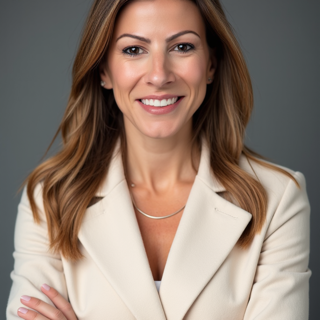

The Short Answer
Scarlett Longstreet is not a therapist. She is one of the most authentic voices in the divorce and co-parenting community online, sharing the real, unfiltered experience of leaving a marriage and raising kids in the aftermath. Her content fills a gap that licensed therapy content sometimes misses, the lived experience of doing it. The best use of her work is alongside, not instead of, clinical support. She names what it feels like. A therapist helps you do something with that feeling.
Key Takeaways
- Scarlett Longstreet is a content creator and divorce community voice, not a licensed therapist.
- Her content resonates with many divorced parents because she shares the lived experience of divorce honestly and without polish.
- Influencer divorce content fills an emotional validation gap that traditional therapy content often does not.
- The best approach is to use voices like Scarlett's for community and validation, and pair them with licensed therapy for the clinical work.
- Be cautious with any divorce content creator who positions themselves as authoritative on therapy or mental health without credentials.
Reviewed and written by Cindy Weathers, LMFT, a Licensed Marriage and Family Therapist and co-founder of Two Paths. Cindy specializes in high conflict divorce, co-parenting after betrayal, and helping separated parents build functional partnerships for the sake of their children.
There is a category of online voice in the divorce space that I want to talk about honestly. Not therapists. Not researchers. Not experts in the traditional credential sense. People who have lived through divorce and are sharing the experience publicly, often very well, often with a large following.
Scarlett Longstreet is one of these voices. She is not a licensed therapist or counselor. She is a real person sharing her real experience with separation, co-parenting, and rebuilding life as a single parent. And in the experience of many people who follow her, she is one of the most validating voices in the divorce community online.
This is worth talking about, because the role she fills is important and the limits of that role are important too.
Why Voices Like Hers Matter
When you go through divorce, especially a difficult one, you need two different kinds of support.
The first is clinical. A licensed therapist who can help you understand your patterns, your attachment, your trauma, and your behavior in the marriage. Someone with training, ethics, and accountability.
The second is community. Other people who have been through it. Who know what it feels like to be at handoff with shaking hands. Who understand the particular loneliness of the first holiday without your kids. Who have lived through the awkwardness of dating again. Who get it from the inside.
Therapy gives you the first. It does not always give you the second. And the second matters more than people who have not been through divorce sometimes realize.
Voices like Scarlett's fill that second need. They are the friend at the kitchen table who has been there. The witness who says "yes, that happened to me too, and you are not crazy."
That role is real, and it is valuable.
What I Think She Gets Right
I want to name a few things this category of voice tends to get right, because they are easy to underestimate.
The actual emotional texture of divorce. Therapy literature can be clinical. The reality of divorce is messy, exhausting, and sometimes funny. Real voices capture that texture in a way that academic writing rarely does.
The validation that you are not failing. A lot of divorced parents quietly believe they are doing it worse than everyone else. Community voices show that the chaos, the doubt, the hard days are universal. That validation can be a stabilizing force on the worst days.
The early permission to leave a bad marriage. Many people stay in dying marriages for years because they cannot give themselves permission to leave. Hearing other people describe their decision can move someone toward their own decision. That is not always a bad thing.
The honesty about loneliness. Therapy does not always touch this. Online community voices do, repeatedly. Loneliness after divorce is real, and naming it helps.
What to Pair Them With
Here is the piece I want to be careful about.
A divorce voice with a large following can start to function like an authority, even when they are not credentialed. Followers begin treating their advice as expert advice. They start applying generalizations from one person's marriage to their own.
This is where the line matters. A voice like Scarlett's is at her best as community, not as clinical guidance. The boundaries that worked for her may not work for you. The way she handled her custody dispute may have legal implications she did not face. The way she talks about her ex may be cathartic for her and harmful for you to model in your own situation.
The pattern I recommend with all of my clients who follow divorce content creators is this. Use the content for emotional validation and community. Then, for any actual decision, including legal decisions, parenting decisions, or how-to-respond decisions, run it past a credentialed person.
That credentialed person is your therapist for emotional or relational decisions. Your family law attorney for legal decisions. Your pediatrician for child wellbeing questions. Your financial planner for money questions.
Influencers can name what you are feeling. They are not equipped to make the high stakes calls in your life.
When Influencer Voices Can Mislead
I want to be specific about a few patterns I have seen cause real harm.
The "leave your husband" cascade. When divorce content creators with large followings make leaving look universally empowering, some followers leave marriages that could have been saved with therapy. This is not the creator's fault. But it is a pattern worth being aware of.
The "my ex is a narcissist" labeling. Online divorce communities often label every difficult ex as a narcissist. The label is sometimes accurate. It is also overused. Narcissistic Personality Disorder is a clinical diagnosis, and most difficult exes do not meet criteria for it. Adopting the label too quickly can prevent you from doing your own work in the dynamic. Our guide on co-parenting with a narcissist walks through how to tell the difference.
The performative healing arc. Some online voices present their healing as more complete than it is. New followers can feel inadequate by comparison. Real healing is slow and non-linear. Be skeptical of anyone whose healing journey looks perfectly resolved on camera.
The legal advice in disguise. Some divorce voices share specific strategies that work for them in court. Family law is jurisdiction-specific. What worked in one state may be malpractice in another. Always cross-check legal advice with your attorney.
None of this means avoid divorce content creators. It means use them well.
How to Use Scarlett's Voice (and Voices Like Hers) Well
Practical suggestions for incorporating community voices into your divorce support, without letting them substitute for professional help.
Use them for validation, not for instruction. "She felt this too" is useful. "She did this so I should too" is risky.
Follow multiple voices, not just one. Single-voice followings create echo chambers. Diversifying who you listen to keeps your perspective wider.
Notice when their content activates more than it grounds. If a particular creator consistently leaves you anxious, vengeful, or stuck in your story, take a break from their content. The best voices help you feel less alone. The worst keep you in your wound.
Pair every emotional insight with a clinical conversation. If something a divorce influencer said is sticking with you, bring it to your therapist. Therapy will help you do something with the insight.
Check whether their situation matches yours. Their custody dispute may not look like yours. Their financial situation may not look like yours. Their kids' ages, their state, their ex's behavior may all be different. Be careful about applying their story to your situation.
The Bottom Line
Scarlett Longstreet, and the broader category of divorce voices like hers, fill an emotional role that traditional therapy content sometimes misses. The lived experience. The kitchen table friend. The witness.
That role is real and useful. Treat it that way.
And then pair it with the credentialed support that does the heavier work. Therapy. Attorneys. Financial planners. Pediatricians.
If you are looking for a therapist who understands both the clinical work and the community side of divorce, our LMFT co-parenting support program is built around this exact integration.
Community is real. Clinical work is also real. You need both.
Frequently Asked Questions
Who is Scarlett Longstreet?
Scarlett Longstreet is a content creator who focuses on divorce, co-parenting, and the realities of rebuilding life after separation. She is not a licensed therapist. She is one of many influential voices in the online divorce community who share lived experience to a large following.
Are divorce influencers reliable sources?
Divorce influencers are reliable for what they actually are. Personal experience and community connection. They are not reliable substitutes for clinical, legal, or financial expertise. The most useful approach is to use influencer content for emotional validation and community, and use credentialed professionals for the decisions that have stakes.
How do I know if I should follow a divorce content creator?
Notice how their content makes you feel. The best ones help you feel less alone, more validated, and more capable of moving through your day. The worst keep you angry, stuck in your story, or anxious. If you find yourself doom-scrolling a particular creator and feeling worse afterward, unfollow them. Your time and attention are part of your healing budget.
What is the difference between a therapist and a divorce influencer?
A licensed therapist has graduate-level training, supervised clinical hours, state licensure, and ethical obligations including confidentiality and a duty of care. A divorce influencer has personal experience and an audience. Both can be valuable in different ways. Only one is qualified to provide clinical guidance.
Can following too much divorce content slow my healing?
Yes. Constantly consuming divorce content can keep your nervous system activated and your identity centered on being a divorced person. Healthy healing eventually moves you out of "divorced person" as a primary identity. If you notice that you are spending hours daily on divorce content, that is a signal to take a break and engage other parts of your life.
Should I avoid divorce content entirely?
Not necessarily. Many people find it genuinely helpful, especially in the early months of separation. The question is whether it is supporting your healing or stalling it. The same content that helped you in month two of separation may hurt you in year two. Adjust your intake based on where you are in the process.
Where do I go for actual clinical support after divorce?
A Licensed Marriage and Family Therapist with experience in divorce work is your best starting point. If you have specific symptoms like depression, anxiety, or trauma responses, look for someone trained in those modalities. Our LMFT co-parenting support connects you with therapists who specialize in exactly this work.
Need guidance for your situation?
Two Paths gives you structured support from licensed professionals — in the moment you need it most.
Download Two Paths